Sand
Sands vary in grain, minerals, and color, affecting use. Coarse, angular crushed sand compacts firm—best for paver bases. Fine, rounded rounded sand is soft and safe—ideal for play areas. Medium-grain river sand suits fill and where drainage and compaction matter. Choosing the right sand boosts durability and stability.
Concrete Sand
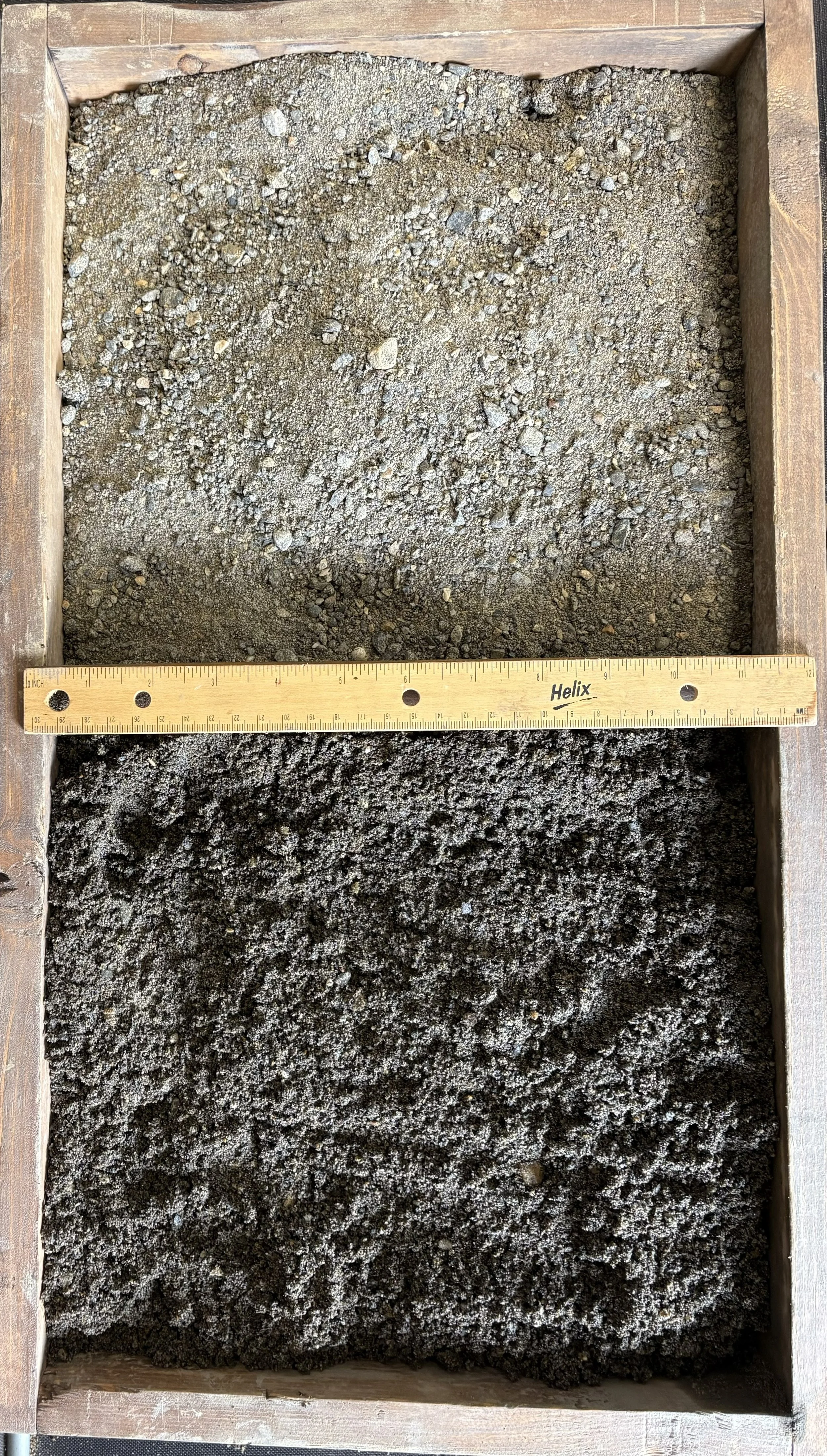
Dry
Wet
-
Concrete sand is a coarse, washed sand that is made of finely crushed hard stone that will compact but offers drainage. This product is used for construction, landscaping and is a main ingredient in some concrete additive mixes.
$30 ½ yard
$60 yard
Mason Sand
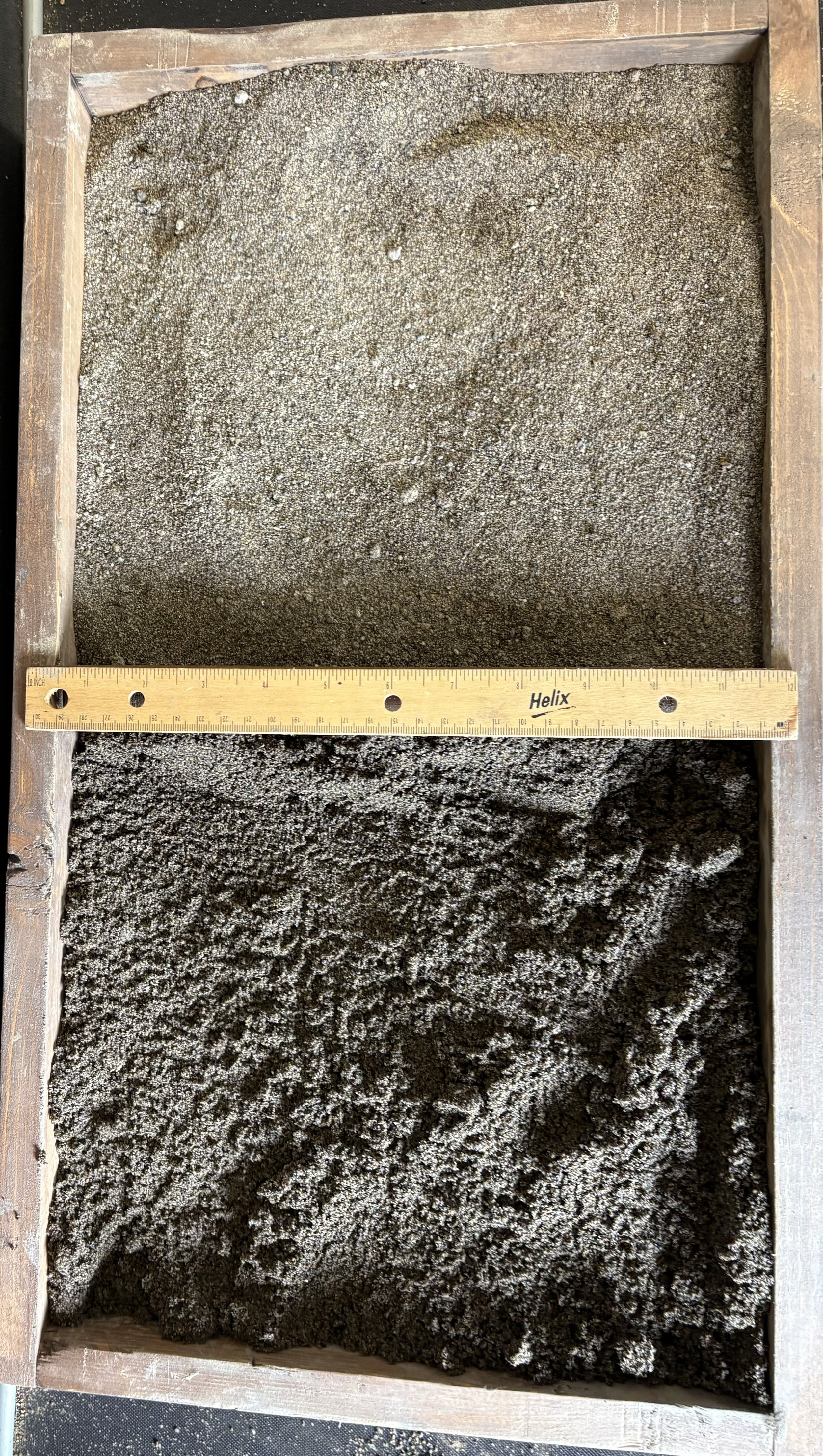
Dry
Wet
-
Mason sand is a grey, smooth grained washed sand. Its consistent texture is great for hardscaping and finish work for masonry projects such jointing in pavers or flagstone. Mason sand can also be added into soil mixtures for extra drainage.
$27.50 ½ yard
$55 yard
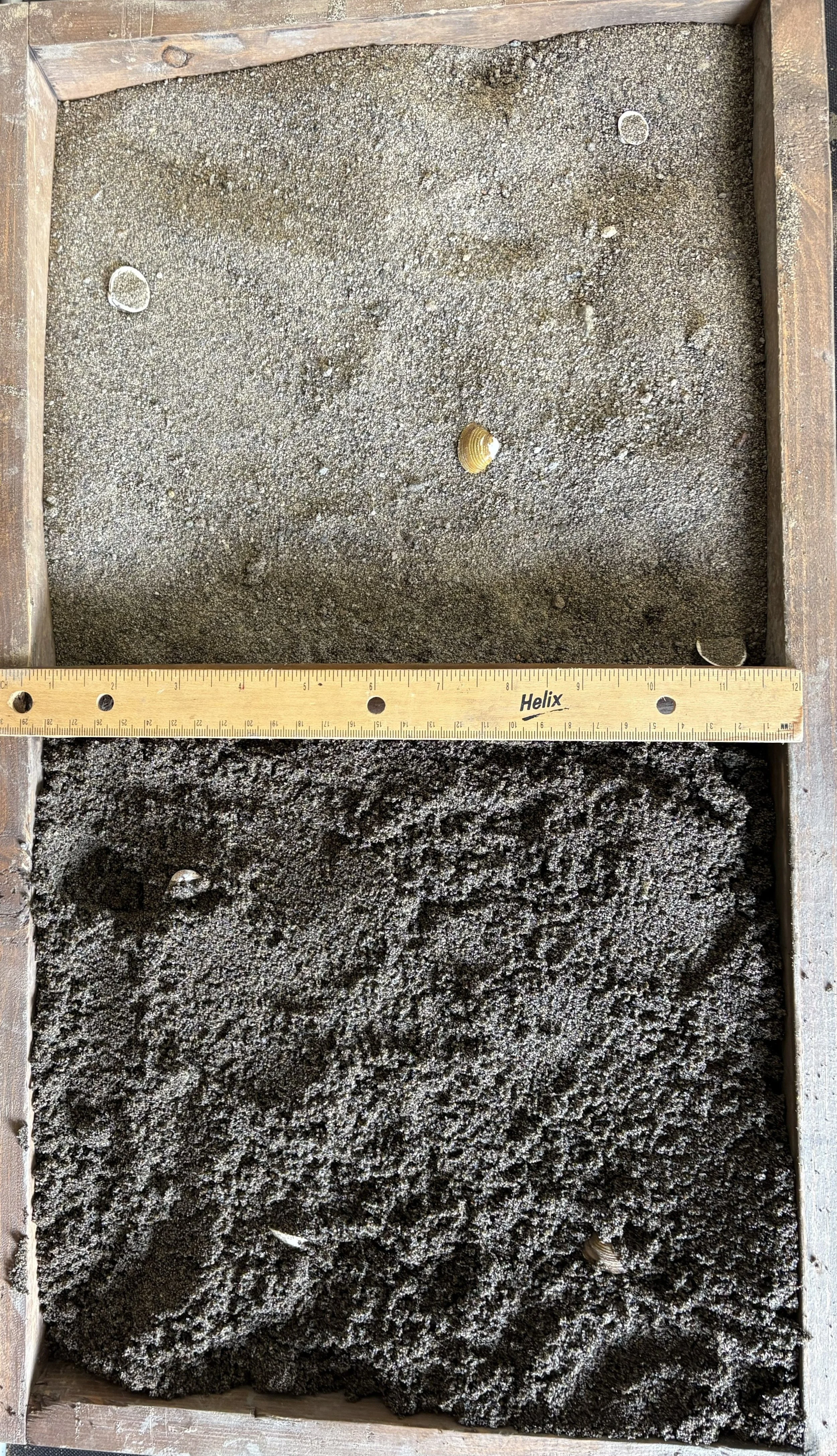
River Sand
Dry
Wet
-
River sand is sand that is washed to strip away impurities like clay and silt, leaving clean, durable grains. It is grey in color and tends to have very small shells and pebbles in it. River sand is typically used as fill in plumbing projects or as back fill.
$27.50 ½ yard
$55 yard
Salt & Pepper
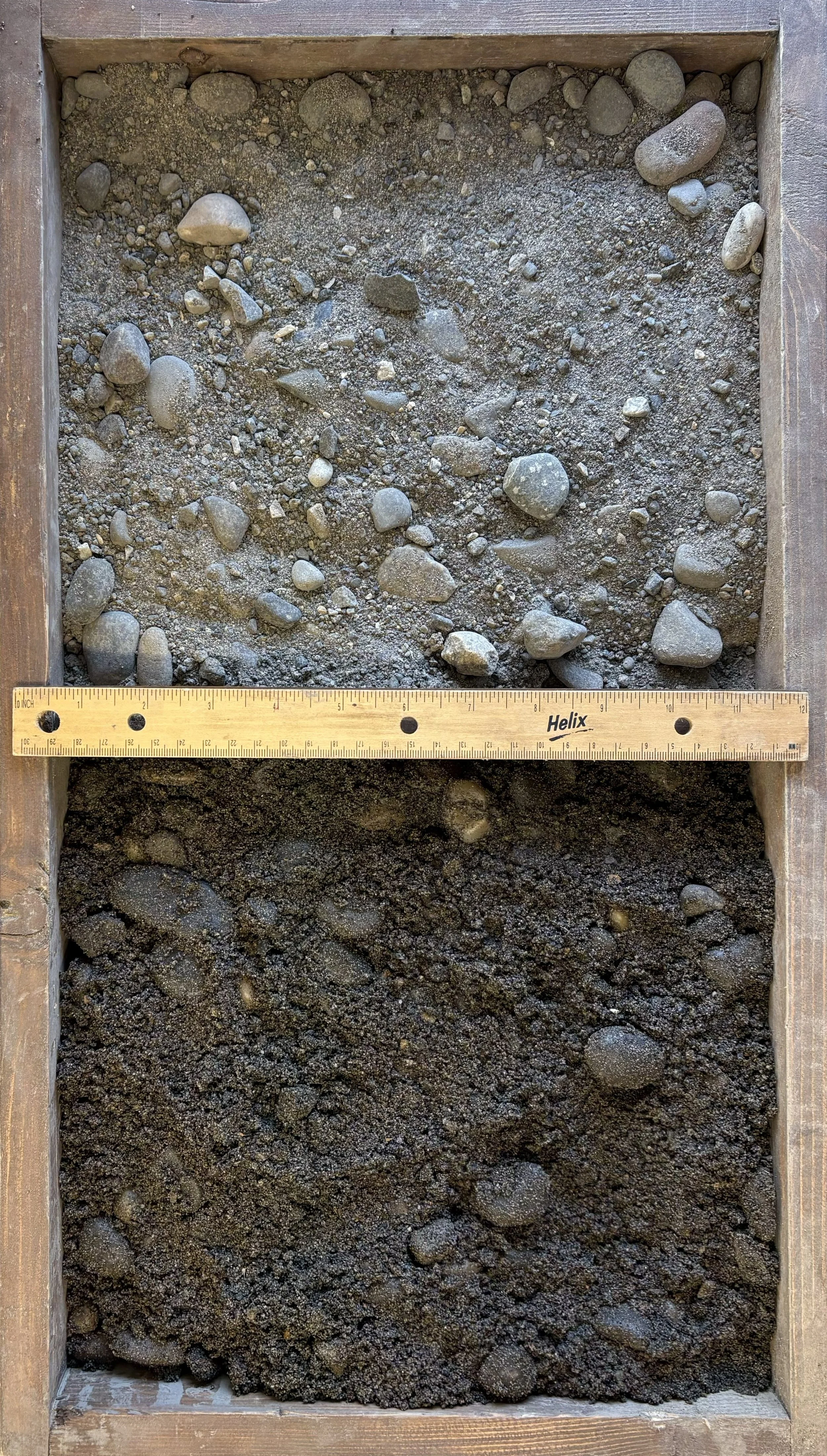
Dry
Wet
60% Concrete Sand
40% 3/4” Round Rock
Mix
-
Salt and pepper is a concrete additive that is made up of roughly 60% concrete sand and 40% ¾” round rock. This mix adds additional strength, texture, and helps fill voids and air pockets.
$32.50 ½ yard
$65 yard
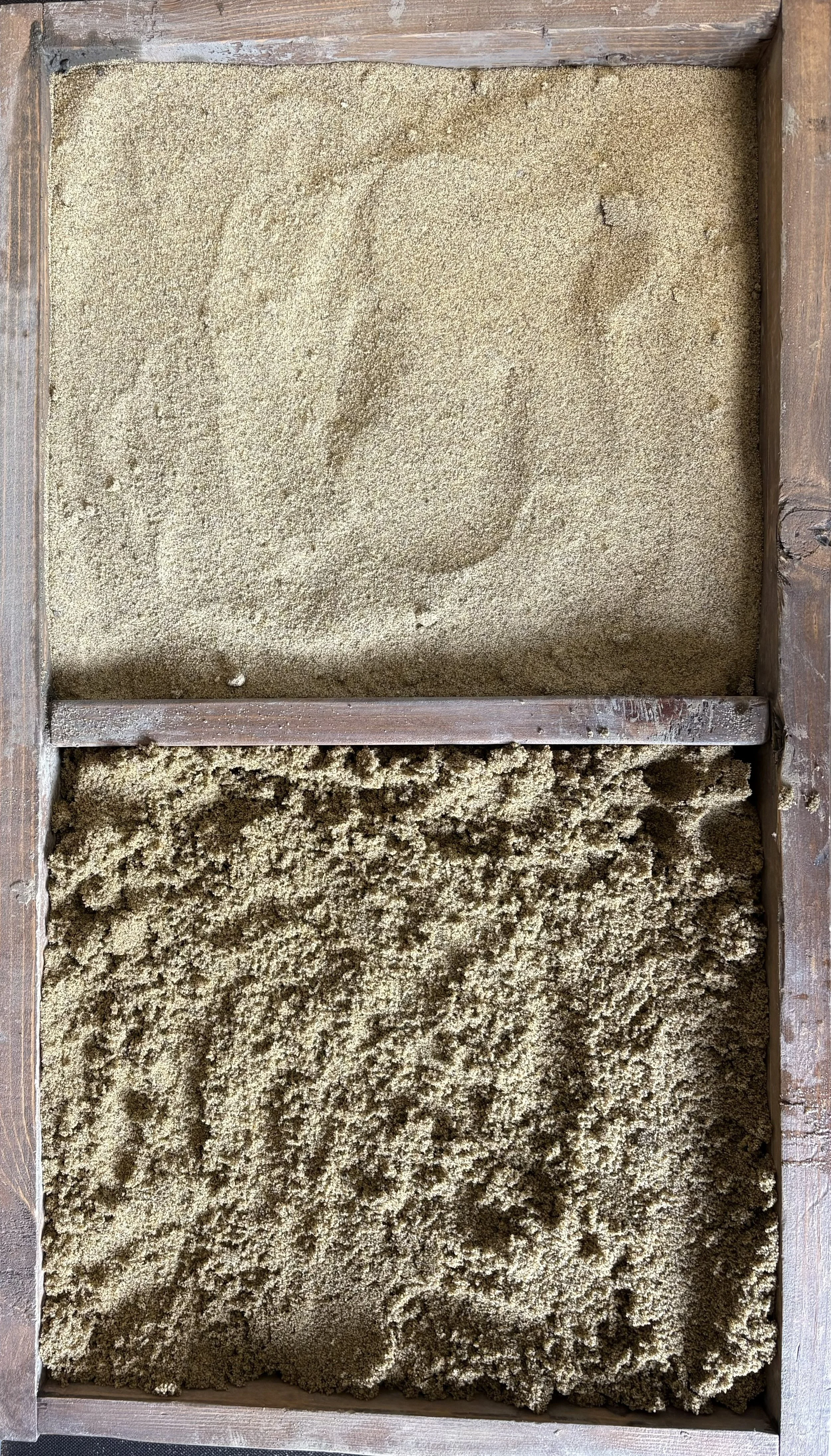
Beach Sand
Dry
Wet
-
Beach sand is finally screened sand sourced from Lincoln City. This sand is soft and tan in color with small black flecks spread throughout making it great for sandboxes or hardscaping. Beach sand is a round sand so it brushes off easily makes for effortless clean up.
$75 ½ yard
$150 yard
Disclaimer: Please note colors, sizes, and textures of landscape materials can differ from photos and descriptions. Natural materials vary with source, weathering, and processing; manufactured items can differ by batch. Small differences in size, shape, and color are normal and not defects. Inspect materials on site before installation and order extra to allow for variation.